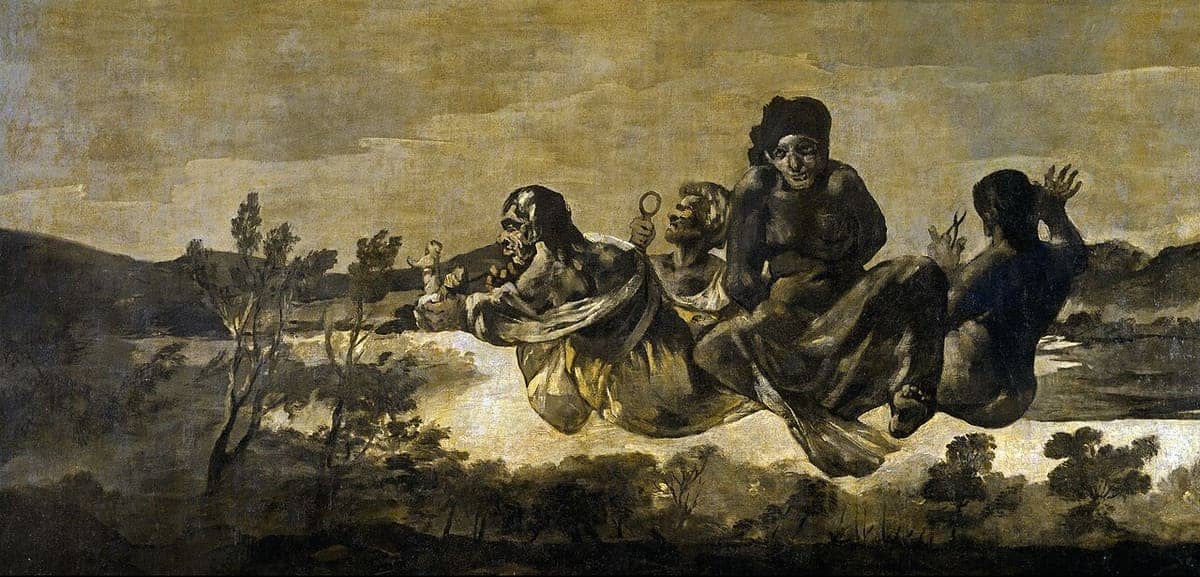
Do We Choose Our Own Lives?
It is one of the strangest questions you can ask, and it tends to arrive at the worst moments. Standing in the wreckage of something you would never have asked for — an illness, a loss, the family you were born into — some part of you wants to know: did I choose this? Most of us assume the obvious answer. Nobody signs up for grief. Nobody volunteers for the hard version of a life. And yet a surprising thread runs through the testimony of people who say they have seen behind the curtain — in near-death accounts, in deep regression, in the world’s older teachings about fate — and that thread keeps saying the same unlikely thing: yes. You chose. You chose before you arrived. This is not established fact. It is a reported pattern. But it is reported often enough, and consistently enough, to be worth looking at squarely.
What people mean by a “soul contract”
The idea goes by a few names — pre-birth planning, life planning, the soul’s agreement — but the shape is consistent. The claim is that before birth, some essential part of you helped design the life you are now living: not every detail, but the big architecture. The lessons. The relationships. The obstacles that would shape you. Even, in the harder versions, the suffering — chosen not as punishment but as curriculum, because some things can apparently only be learned by living through them.
You do not have to believe it to notice how strange it is that the idea exists at all. It is not the comforting story you would invent if you were inventing one. A made-up answer would let you off the hook. This one hands you the hook and says you forged it yourself. That is part of why it is worth taking seriously as testimony rather than wish.
Why so many near-death accounts say “I chose this”
Here is where the pattern stops being a fringe idea and starts being a convergence. Among the thousands of near-death experiences now collected and studied, a recurring motif is the sense — described as remembered, not imagined — that the life just lived was agreed to. People report being shown, during their experience, that they had a hand in choosing their circumstances, their parents, the difficulties they would face. Many come back with the unshakeable conviction that nothing was random, that even the worst of it was somehow part of a plan they had consented to.
Betty Guadagno, in her account of dying and returning, describes exactly this: the realization that she had chosen her life — its shape and its hardships — before she was born. (Betty Guadagno describes choosing her life) She is not an outlier. The same note sounds again and again across independent accounts from people who had never met, never read the same books, and often had no prior belief in anything of the kind. (Watch a firsthand account of the life review → (Ishtar Howell))
What makes this hard to wave away is the company it keeps. It travels alongside the rest of the near-death pattern — the life review where you feel your actions from the other side, the loss of the fear of death, the sense of returning somewhere familiar. People who report choosing their lives are usually the same people reporting those other convergences, named at full strength by witnesses with nothing to sell. Pattern is not proof. But the pattern is here, and it is large.
What the traditions say about destiny and the script
The intuition that a life is shaped before it is lived is far older than the modern accounts. The world’s traditions have circled it for millennia, and they do not agree — but they keep returning to the same territory.
In the Hindu and broader Indian frame, the conditions of your birth are read as the fruit of karma: not a cosmic accident, and not exactly a free choice in the moment, but a life earned and entered for reasons the ordinary mind has forgotten. The Bhagavad Gita speaks of the soul moving from body to body as a person changes worn-out clothes (Bhagavad Gita 2:22), carrying something forward into a new circumstance. (Bhagavad Gita →) The Stoics, half a world away, reached for a different image of the same shape — amor fati, the love of one’s fate — and Marcus Aurelius wrote of accepting what is woven for you as your own portion in the order of things. (Meditations →) Different metaphysics, same suspicion: that a life has a grain to it, and that the grain was set before you got here.
The monotheistic traditions hold a tension rather than a tidy answer — a God who knows the end from the beginning, and human beings who are still, somehow, responsible for their choices. The Psalmist writes that all our days were written before one of them came to be (Psalm 139:16). (Tanakh →) The question of how a scripted life can also be a free one is not a modern invention; it is one of the oldest arguments humans have had with themselves.
So which is it — fate, or free will?
This is the place the question usually breaks down, because it is framed as a fight: either everything is chosen and nothing is free, or everything is free and nothing is meant. The pre-birth accounts cut a stranger path between the two. In their telling, the choosing is the freedom — the act of free will happens before the life, when the architecture is selected, and the living-out is the working-through of what was freely taken on.
It is worth being honest about what that does and does not resolve. It does not tell you why a particular child suffers, or whether a plan you cannot remember consenting to is any comfort at all. (Why do bad things happen to good people? →) What it offers is a frame in which suffering is not meaningless and circumstance is not merely random — a frame many near-death experiencers say they were shown, not argued into. Whether that frame is true, or a meaning the dying mind reaches for, is the part no one can hand you.
What we actually know
Set down everything speculative and here is what is left. No tradition has produced proof that we choose our lives before birth, and no laboratory can test a soul’s contract. The pre-birth pattern is genuinely a reported one — recurring across near-death testimony and regression accounts, echoed at a distance by the world’s teachings on destiny and karma, but never confirmed. A reasonable person can hear all of it and remain unconvinced, and that is an honest place to stand.
What is harder to dismiss is the consistency. People who say they chose their lives tend to say it with the same calm certainty they bring to the rest of the near-death pattern, and they had no way to coordinate. That does not make it true. It makes it a pattern strong enough that turning away from it feels less like skepticism than like flinching. What it means — whether you wrote the life you are living, or are simply living it — is the one thing no one can decide for you.
Existential Atlas lays these perspectives out with the original sources side by side. What is the purpose of life? → · or explore the question yourself.
Frequently asked questions
What is a soul contract? A reported idea — found across near-death and regression accounts — that before birth some essential part of you helped design the major shape of this life: its lessons, its key relationships, even its hardships, chosen as curriculum rather than punishment. It is a recurring theme, not an established fact. Do we choose our lives before birth? →
Do near-death experiencers say we choose our own lives? Many do. A recurring motif in near-death testimony is the remembered sense that the life just lived was agreed to in advance — circumstances, parents, difficulties and all. It travels with the rest of the near-death pattern and is reported by people with no prior belief in it. Near-death experiences →
Is it destiny or free will? The world’s traditions hold the tension rather than resolving it — karma, amor fati, a God who knows the end from the beginning. The pre-birth accounts suggest a third path: the free choice happens before the life, and the living-out is the working-through. No view can be proven. Destiny vs. free will →
If I chose this life, why does it hurt so much? The hardest version of the question. The accounts frame suffering as chosen lesson rather than random cruelty, but they do not make it stop hurting, and remembering nothing of the choice is its own difficulty. Existential Atlas sets these answers side by side rather than picking one for you. Why do bad things happen to good people? →