What Does Death Feel Like?
It may be the most universal fear and the least discussed honestly: not what comes after death, but what the moment itself is like to go through. We picture pain, panic, a fight at the end. Yet the two groups in the best position to describe it — the hospice workers who sit with the dying daily, and the people who have clinically died and been brought back — report something almost startlingly at odds with the dread. Their accounts converge, across very different sources, on a picture far gentler than the one we carry. Here is what they describe, and how the world’s traditions have long named the same thing.
What the body actually does at the end
Begin with the physical, because that’s where the fear lives. Hospice clinicians who have attended thousands of deaths describe a process that, in the great majority of cases, is not the violent struggle we imagine. In the final stretch the body tends to power down rather than break down: appetite fades, sleep deepens, breathing changes and slows, and awareness drifts in and out. People often grow calm — sometimes lucid and peaceful in a way that surprises their families — rather than frightened. Pain, where present, is usually manageable, and many deaths are simply a quiet slipping away in sleep.
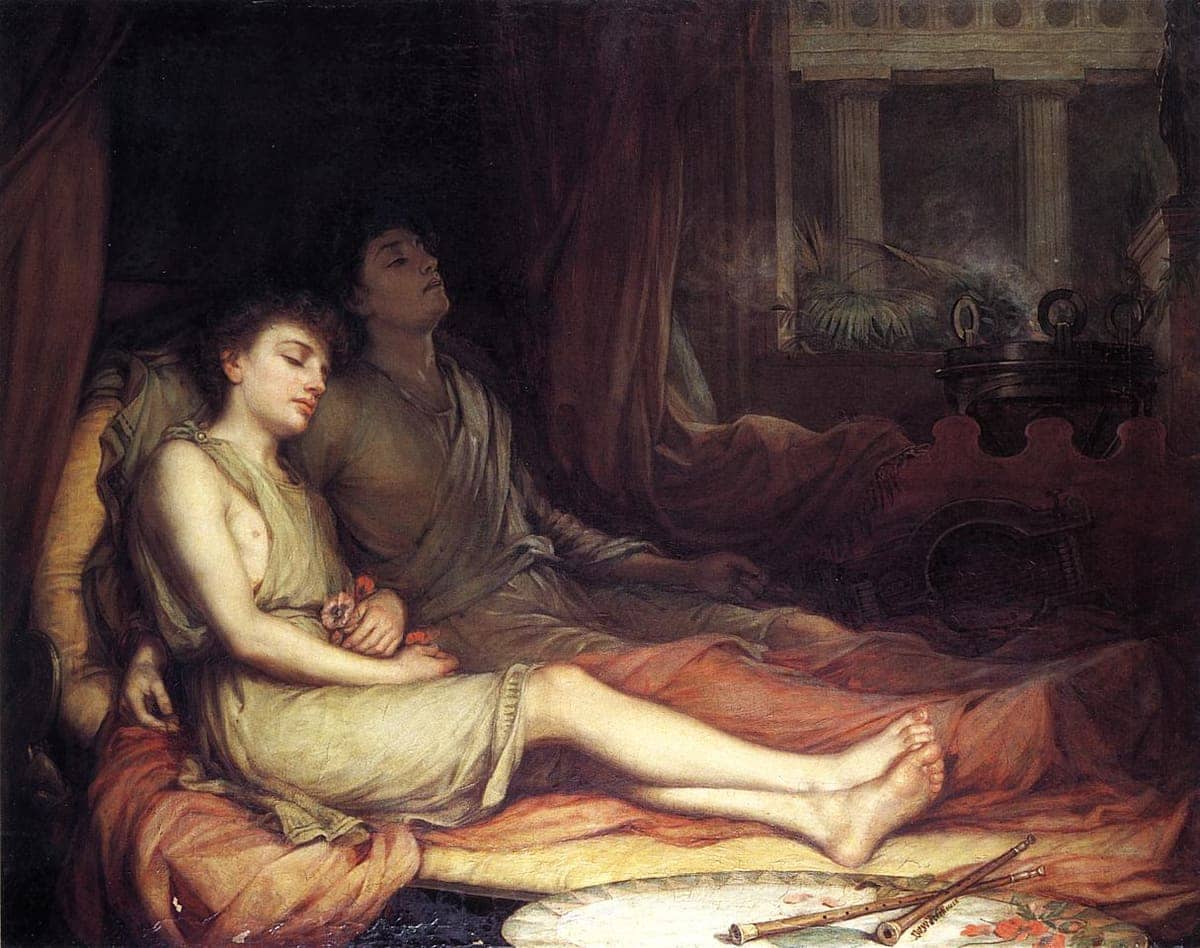
The traditions reached for that same image long before palliative medicine existed. Scripture repeatedly calls death a sleep — a falling asleep, not a being-destroyed (1 Thessalonians 4:13–14). The metaphor is not denial; it is a remarkably accurate description of what attendants at the bedside actually observe. The end, for most, feels less like a wall struck at speed and more like a tide going out.
The moment fear lets go
The single most consistent thing reported about the threshold — by the dying who can still speak, and overwhelmingly by those who crossed it and returned — is that the fear drops away. Not is conquered. Drops away, as if it were never the point.
People who have had near-death experiences describe the instant of clinical death again and again in the same terms: a sudden, total absence of pain, an enveloping peace, and frequently the sense of lifting out of the body and looking back on it without distress — watching the emergency room from above, calm, more curious than afraid. Whatever struggle preceded the arrest, the moment itself is narrated as release. This recurs across thousands of accounts collected from people of every background who had no way to compare notes, catalogued by researchers at the Near-Death Experience Research Foundation and studied for decades at the University of Virginia’s Division of Perceptual Studies.
The contemplative traditions describe the same loosening from the inside. The whole aim of the Tibetan Book of the Dead is to meet the moment of death without grasping or terror, treating it as a passage to move through with clarity rather than panic. Different century, different language — the same report: at the edge, the fear is the thing that goes first.
What the dying see as it happens
There’s a second pattern, quieter and stranger, that belongs to the feeling of dying because of how it changes it. In the days and hours before death, a large fraction of dying people report seeing deceased loved ones — a parent, a spouse, someone gone before — present in the room, come to accompany them. Hospice staff hear it so routinely they have a name for it: deathbed visions, or nearing-death awareness.
What matters here is the effect, not the explanation. These experiences are almost always comforting. The dying person becomes less afraid, more settled, sometimes openly glad — as if the crossing were not a solitary fall but a being-met. Sir William Barrett, an early researcher, documented cases where the dying recognized a relative they did not yet know had themselves died (Death-Bed Visions). Make of the cause what you will; the felt experience reported is consistent — death, for many, does not feel like being alone at the end. It feels like being received.
What we actually know
Honesty first: no one can promise you what your own death will feel like, and the moment is genuinely unknown territory — that is part of why it frightens us. Anyone guaranteeing the specifics is overstepping.
But the testimony of the people closest to it is not vague, and it is not what we brace for. From the hospice bedside and from thousands who clinically died and came back, the same shape appears: a powering-down rather than a rupture, a fear that releases instead of peaking, and — remarkably often — the sense of being accompanied rather than alone. Those sources never coordinated. The traditions that called death “sleep” and a passage to move through without terror were describing, centuries early, what attendants now watch happen. It is not proof of anything that follows. But as a picture of the moment itself, the convergence is strong and it is steady — and it is far kinder than the one most of us carry.
Existential Atlas maps these perspectives with the original sources side by side. What happens when you die? → · or explore the question yourself.
Frequently asked questions
Is dying painful? Hospice clinicians who attend many deaths describe a process that is usually a gradual powering-down rather than a struggle, with pain typically manageable and many deaths a quiet slipping away in sleep. The moment itself is far more often narrated as release than as agony. What happens when you die? →
What do people who clinically died say the moment felt like? Near-death accounts converge on a sudden absence of pain, an enveloping peace, and often a calm sense of lifting out of the body — reported consistently across thousands of independent cases. Near-death experiences →
Do dying people really see deceased relatives? Deathbed visions — the dying perceiving loved ones who have gone before — are common enough that hospice staff have a name for them. Their defining feature is comfort: the dying person tends to become less afraid. Will I see my loved ones again? →
Does it feel like falling asleep? For many, yes — both bedside observation and the traditions that long called death a “sleep” describe a tide going out rather than a wall struck at speed. What, if anything, comes after is a separate question. Where do you go when you die? →