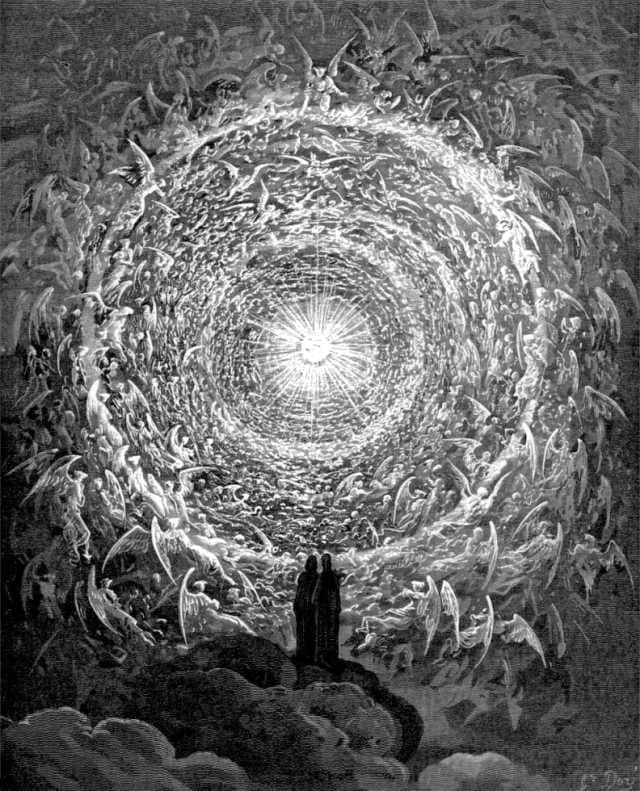
Pictures of Heaven From Near-Death Experiences
There are no photographs of heaven. That has to be said first, because the phrase people search — pictures of heaven from near-death experiences — promises something the world cannot deliver. No one has brought back an image. What they have brought back is description: hundreds of thousands of people who were clinically dead, returned, and tried to put a place into words that they swear was more real than the room they woke up in. The remarkable thing is not that they describe a place. It is that they describe the same place — the same light, the same impossible color, the same landscapes, the same feeling of having finally come home — and that what they describe rhymes, almost line for line, with paradise as the world’s oldest scriptures painted it.
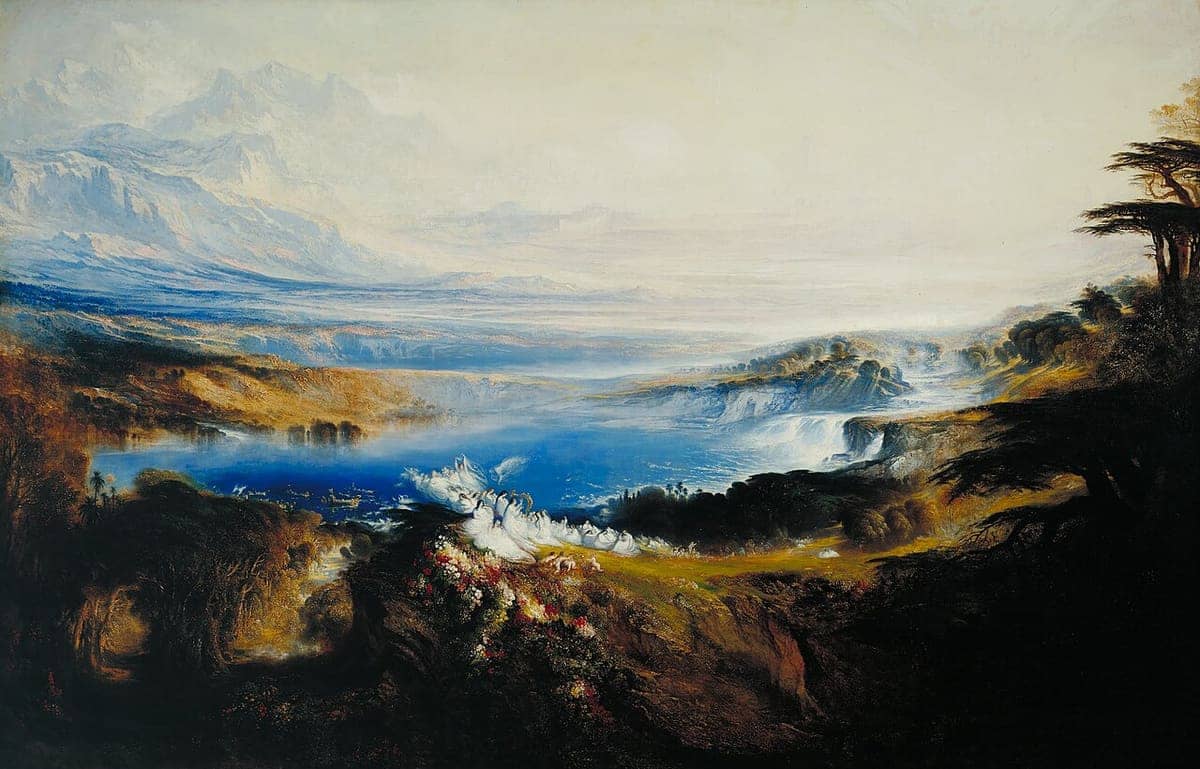
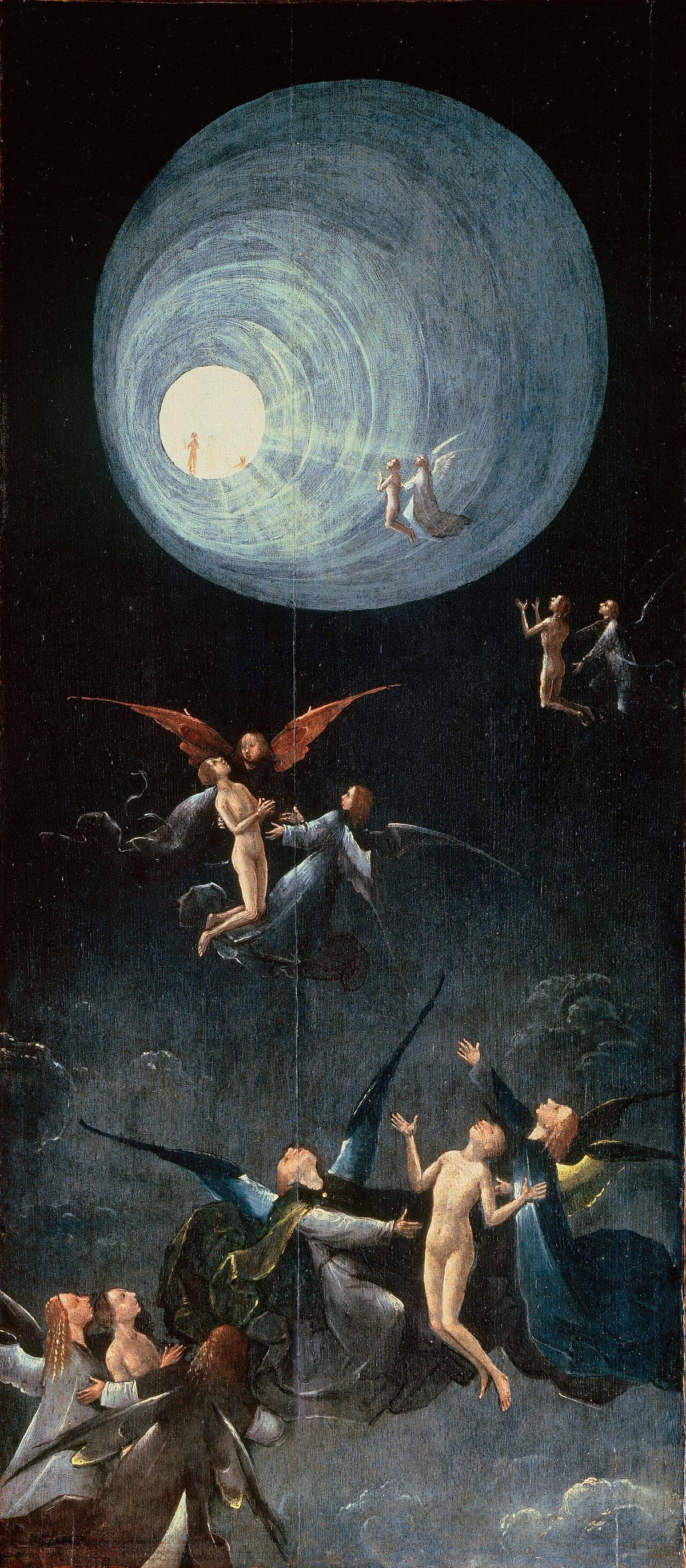
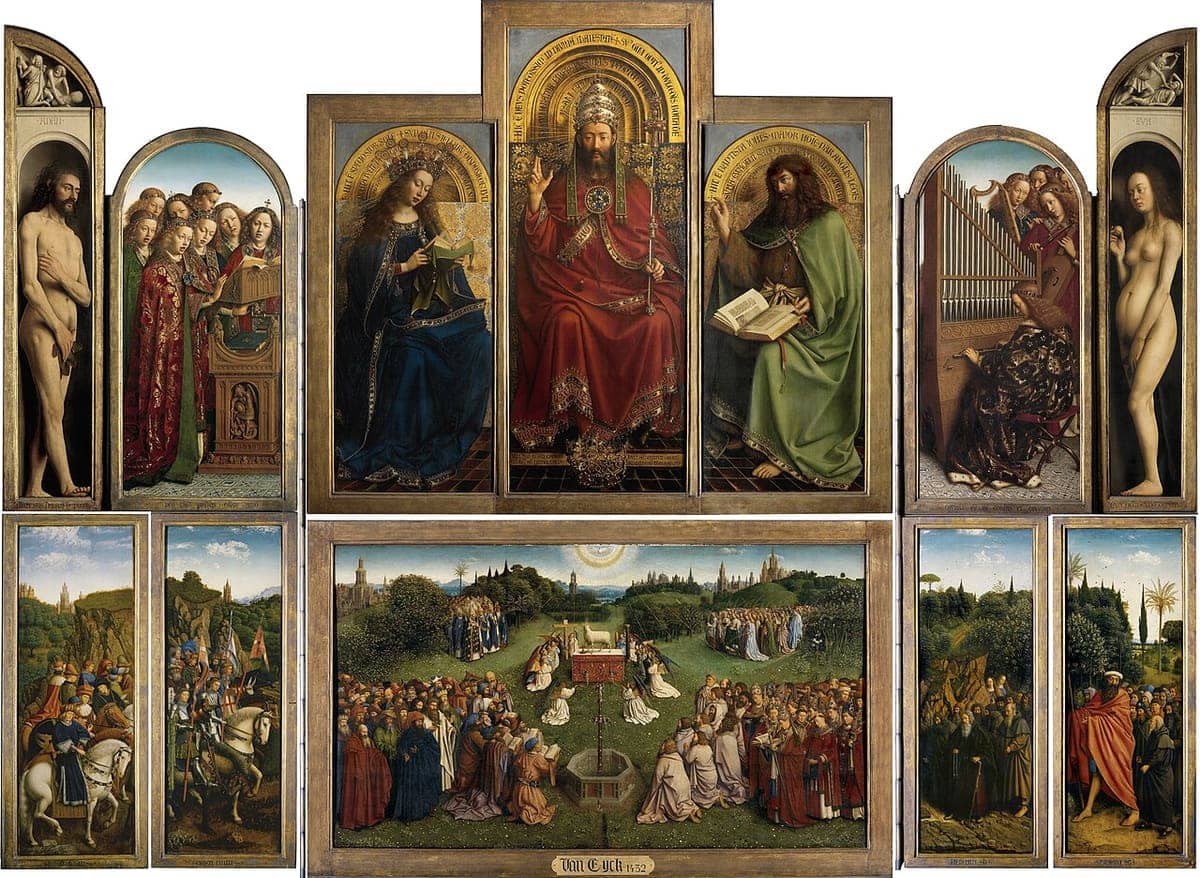
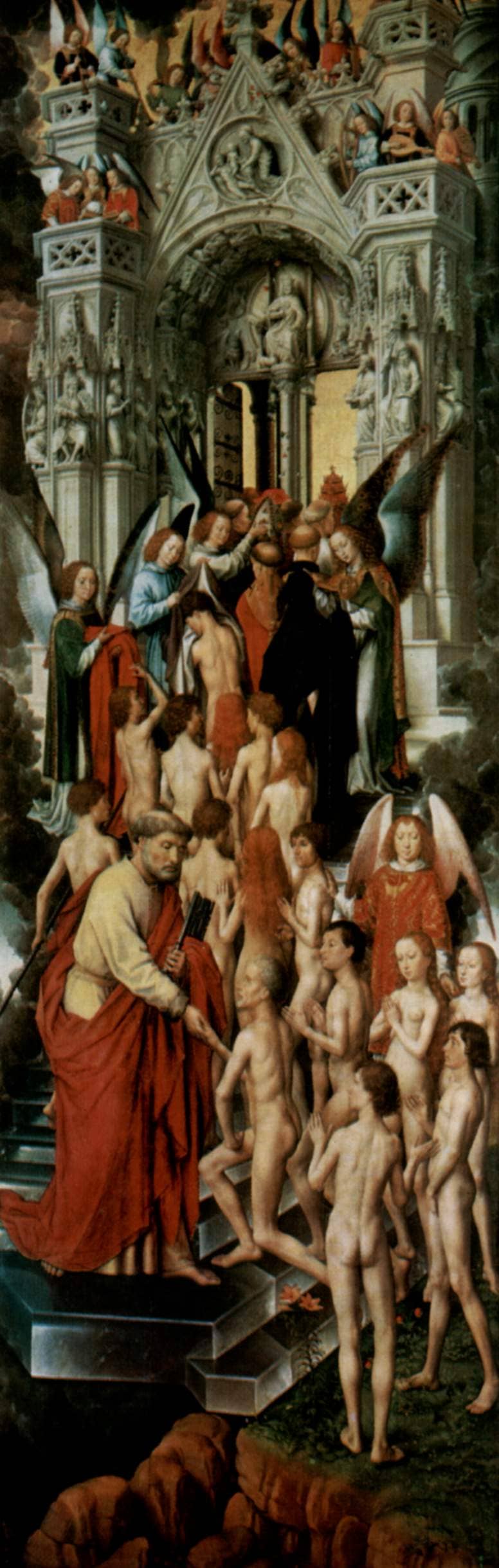
These are artists’ renderings, not photographs — how painters across the centuries pictured paradise, long before any hospital had a resuscitation team. (All public domain.) The descriptions below are what near-death experiencers themselves reach for when words run out.
What does the light actually look like?
Ask near-death experiencers to begin, and most begin with light. But press them, and they correct you: it was not brightness. People who have stared into the sun reach for a different category entirely. The light they describe is alive. It knows them. It pours something they can only call love — total, personal, with full knowledge of everything they have ever done and not a trace of judgment in it. It is the first thing they meet in the place, and often it never leaves; the landscape itself seems to be made of it, lit from within rather than from above. (Watch a firsthand account of the light → (Timeless Realm NDE))
The traditions named this long before any hospital had a resuscitation team. “God is light, and in him is no darkness at all,” writes the First Epistle of John (1 John 1:5). The New Jerusalem of Revelation needs no sun, “for the Lamb is the light thereof” (Revelation 21:23). The Tibetan Book of the Dead calls what meets the soul at death the “clear light.” Different centuries, different languages, no contact between them — and a light that is somehow a presence, named the same way every time.
Why do the landscapes look so much alike?
The light is only the entrance. Past it, experiencers describe a place — and the descriptions are oddly specific and oddly consistent. Meadows and gardens. Rolling fields. A city, sometimes, of light or of something like gemstone. Water — rivers, a pool, a shoreline — turns up again and again. And color that the language can’t hold: greens and golds and blues they insist do not exist here, as though our spectrum were a fraction of the real one. Many describe sound the same way, a music that seemed to come from everything at once.
Set that beside the scriptures and the overlap is hard to wave off. The Quran returns over and over to “gardens beneath which rivers flow” (Quran 2:25). Revelation’s heaven is a city of gold and jasper with “a pure river of water of life, clear as crystal” (Revelation 22:1). The old word paradise comes from a Persian term for a walled garden. People who never read any of this come back describing gardens, cities, and living water in impossible color — and the people who wrote the scriptures were, in their own way, also reporting something they believed they had been shown.
Why do so many people call it home?
Here is the detail that the imagery almost buries, and it may be the most important one. Past the light and the landscape, what experiencers reach for most insistently is not a picture at all — it is a feeling. They were home. Not somewhere beautiful they were visiting. The place they had come from and somehow forgotten, more familiar than the life they had been living, so that the earthly life began to look like the dream and this the waking. The grief, when it comes, is almost always about being sent back. (Watch a firsthand account of the realm → (Pilot Lands in Heaven))
This is the thread the traditions also keep pulling. Scripture calls the body a “tabernacle” — a tent, temporary lodging — and the soul a thing that returns to the God “who gave it” (Ecclesiastes 12:7). The longing the experiencers name is exactly the longing the mystics named: not for a new place, but for the one we are from. That the people who briefly died describe the next world as a homecoming rather than a destination is, on its own, a strange thing for the imagery to keep insisting.
Should we trust the pictures?
It is worth being careful here, because “picture” is the wrong word and the experiencers are usually the first to say so. They will tell you the words fail — that the place was too saturated, too dimensional, too real for the language to carry, and that any image you form from their account is a thinning-out of the thing itself. The paintings, the AI renderings, the illustrations that circulate online under this exact search are guesses at a description of a memory of something the rememberer swears can’t be drawn. They are not windows. They are sketches made from testimony.
That honesty is the point, not a disclaimer to wave past. These are descriptions, not photographs — and the descriptions still converge. People of every faith and of none, who clinically died decades and continents apart, with no way to compare notes, reach for the same light, the same impossible color, the same gardens and water, the same word: home. Researchers at the Near-Death Experience Research Foundation and the University of Virginia’s Division of Perceptual Studies have catalogued the consistency without resolving what it is.
What we actually know
So, the honest accounting. No one has photographed heaven, and no one will; the pictures that carry this search are artists’ renderings of words, and the words themselves are admitted to fall short. There are physiological accounts of what a dying brain may generate, and they cover part of the picture — though not cleanly the lucid, vivid, structured environments described when measurable brain activity was minimal or gone. That gap is real, and it is unresolved.
But set the explanations down and look only at what people say. A living light. Color outside our spectrum. Gardens, cities, water. And the felt certainty of being home. The same scene, reported independently by people who died and came back, matching scriptures most of them had never read. There is no photograph — and yet across thousands of accounts the description barely wavers. The pattern is real, and it is overwhelming. What it is a picture of is the one thing no one can hand you.
Existential Atlas lays these accounts beside the original scriptures, the actual interviews a click away. Near-death experiences → · or explore the question yourself.
Frequently asked questions
Are there real pictures of heaven from near-death experiences? No. No one has brought back an image — what exists is testimony, and the illustrations that circulate online are artists’ renderings of people’s descriptions. The striking thing is how consistent those descriptions are across people who never compared notes. What do you see when you die? →
What does heaven look like according to NDEs? Most accounts describe a living, loving light, landscapes of gardens, cities, and water, and color and sound beyond the earthly range — strikingly close to the paradise imagery in scripture written millennia earlier. Where do you go when you die? →
Why do near-death experiencers call the place “home”? The most insistent part of the testimony is a feeling, not a picture: that the realm was more familiar than earthly life, the place they had come from and forgotten, so that returning to the body felt like the loss. Near-death experiences →
Is what NDErs see proof of heaven? No study or tradition has produced proof, and Existential Atlas does not claim it. What exists is description — independently reported, remarkably consistent, and matching scriptures the experiencers had never read. The pattern is real; what it means is yours to decide. Will I see my loved ones again? →