What Happens When You Die, According to the Bible?
People often assume the Bible gives one clear, simple account of death. It doesn’t — and that’s not a flaw, it’s the result of a library written across centuries. Read closely, scripture describes death in layers: what happens to the body, what happens in the meantime, and what happens at the end of all things. Here is what it actually says.
The body returns to dust
The starting point is unflinching. “Then shall the dust return to the earth as it was: and the spirit shall return unto God who gave it” (Ecclesiastes 12:7). The body is mortal and returns to the ground it came from. Whatever hope the Bible offers, it does not pretend the body is exempt from death.
To be “absent from the body”
What of the person in the meantime? Here the New Testament leans toward continuity of conscious presence with God. Paul writes that he would prefer “to be absent from the body, and to be present with the Lord” (2 Corinthians 5:8). On the cross, Jesus tells the man dying beside him, “To day shalt thou be with me in paradise” (Luke 23:43). Other passages describe the dead as “asleep,” awaiting what comes next — and Christians have read this intermediate state in more than one way for two thousand years.
The resurrection and the restoration of all things
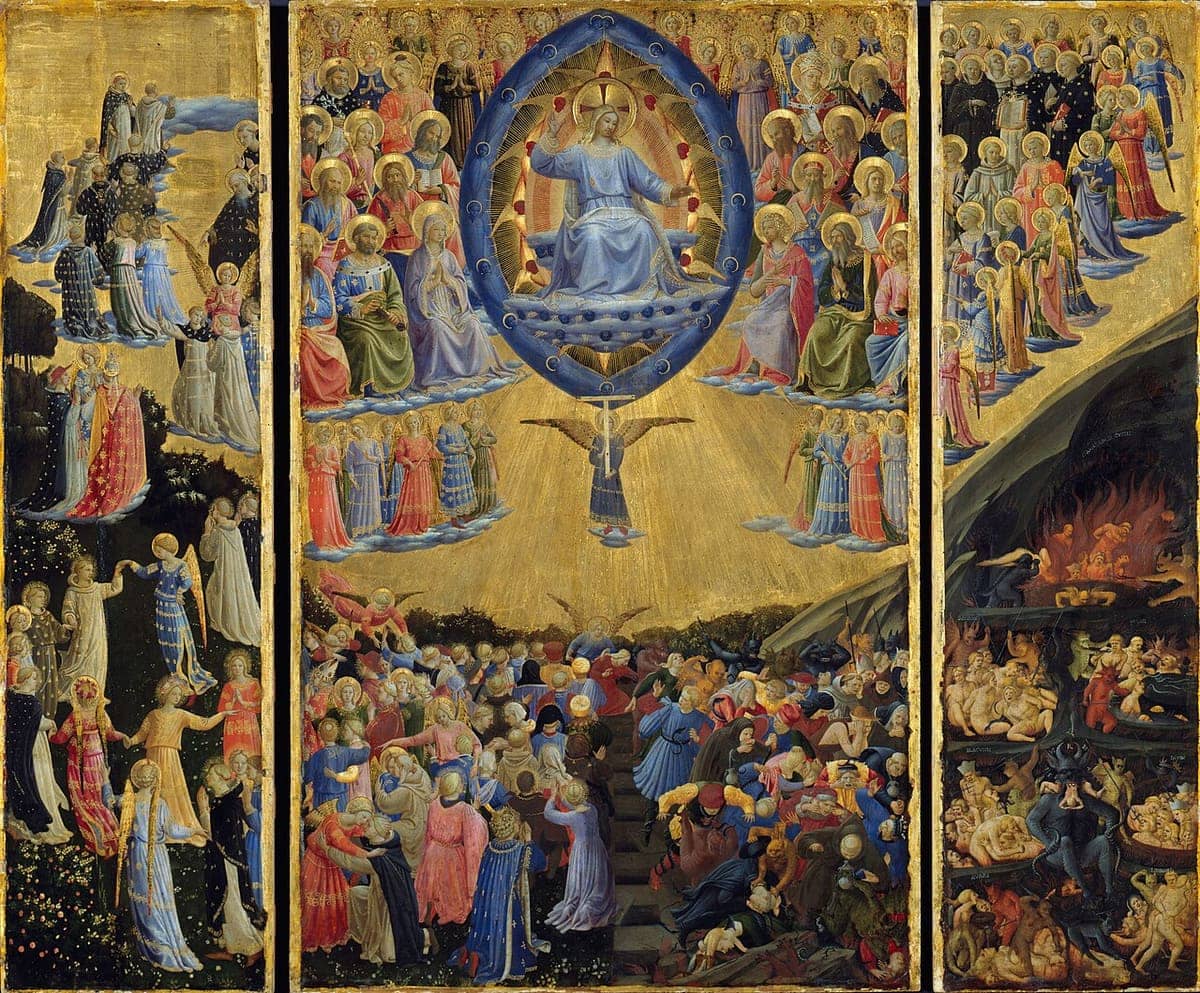
The center of the Christian hope is not an escaping soul but a resurrection — the person made whole again. “It is sown a natural body; it is raised a spiritual body” (1 Corinthians 15:44). The same hope appears in the Hebrew scriptures: “many of them that sleep in the dust of the earth shall awake, some to everlasting life” (Daniel 12:2). It ends not in a disembodied heaven but in a restored creation where “God shall wipe away all tears… and there shall be no more death” (Revelation 21:4).
Heaven, hell, and judgment
Woven through is the theme of accountability — that a life is finally seen and judged, and that this matters. Christians have pictured heaven and hell in very different ways across history, from literal places to states of nearness or separation from God. What stays constant is the conviction that how you lived is not erased by death.
Where this meets the other traditions
Read beside the rest of humanity’s answers, the biblical picture is one voice in a larger pattern. Its insistence on a final reckoning echoes the Egyptian weighing of the heart and the Hindu logic of karma. Its hope of restoration rhymes with traditions of return everywhere. And its language of being received into light and presence finds an uncanny parallel in the modern near-death accounts, where people of every background describe a conscious, loving light at the threshold. (Watch a firsthand account of the light →) Existential Atlas doesn’t tell you which reading is right. It shows you the text plainly, and where it stands among the others.
See every tradition side by side: What happens when you die? → · or explore the question yourself.
Frequently asked questions
Does the Bible say you go to heaven immediately when you die? It’s read more than one way. Some passages suggest being “present with the Lord” at once (2 Corinthians 5:8; Luke 23:43); others describe the dead as “asleep” until the resurrection. Christians have held both views for centuries. Where do you go when you die? →
Does the Bible teach resurrection or an immortal soul? Its center of gravity is resurrection — the whole person raised and restored (1 Corinthians 15) — rather than only a soul escaping the body. The major ideas, side by side →
What does the Bible say about judgment after death? That a life is finally seen and accounted for, and that how you lived matters. The imagery of heaven, hell, and judgment has been understood in many ways across Christian history. What happens when you die? →